
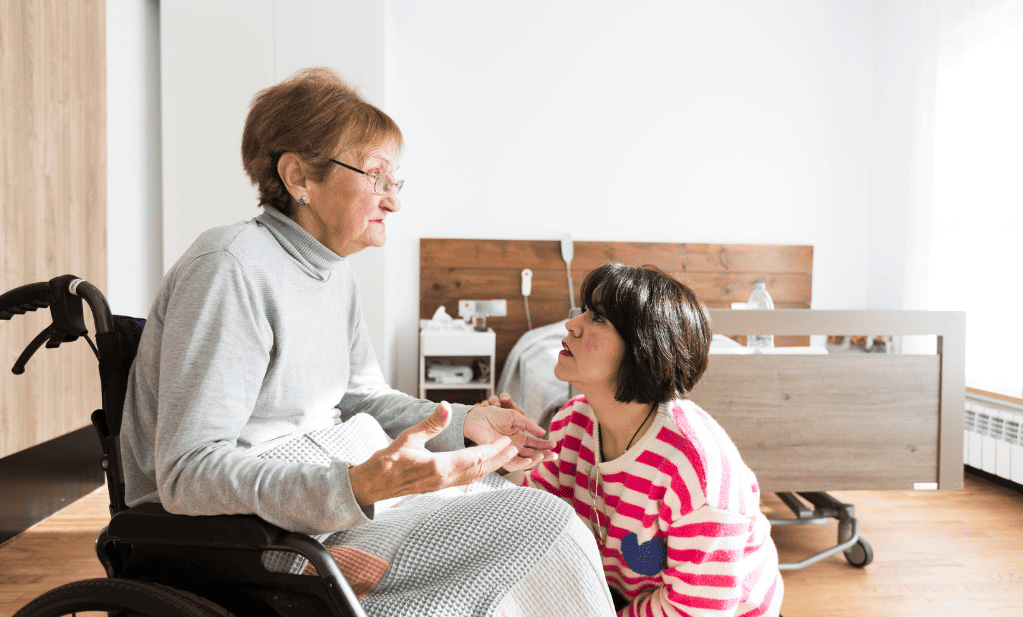
Training program on dementia
Making a difference in care starts with better understanding, providing more tools, and acting from a person-centered perspective.
Dementia is one of the most rapidly growing neurodegenerative diseases, linked to the aging of society. For this reason, it requires us, as professionals, to provide meaningful care that accompanies people from the perspective of the rights of those who need support.
This online training course provides accessible and straightforward knowledge about dementia and how to support people with dementia. It is aimed at all professionals who work with people with dementia and want to learn more, as well as anyone who is interested and curious to know more.
A 30-hour online course to understand, support, and care from the inside:
- The moment of diagnosis and how to cope with it.
- Discover how people with dementia see the world from the inside.
- Approach diagnosis and end of life with sensitivity and professionalism.
- Strengthen your practice using the Person-Centered Care Model (PCC): dignity, autonomy, and personalization.
By the end of this course, you will have a better understanding of:
- How our beliefs affect the way we care.
- What dementia is, learning about the main types, and understanding how these differences manifest themselves in everyday life.
- How people with dementia communicate and how to improve communication with them.
- The emotional impact of dementia on the person with dementia and on the caregiver.
- The importance of accompanying the person in their daily life from their perspective.
CONTENT
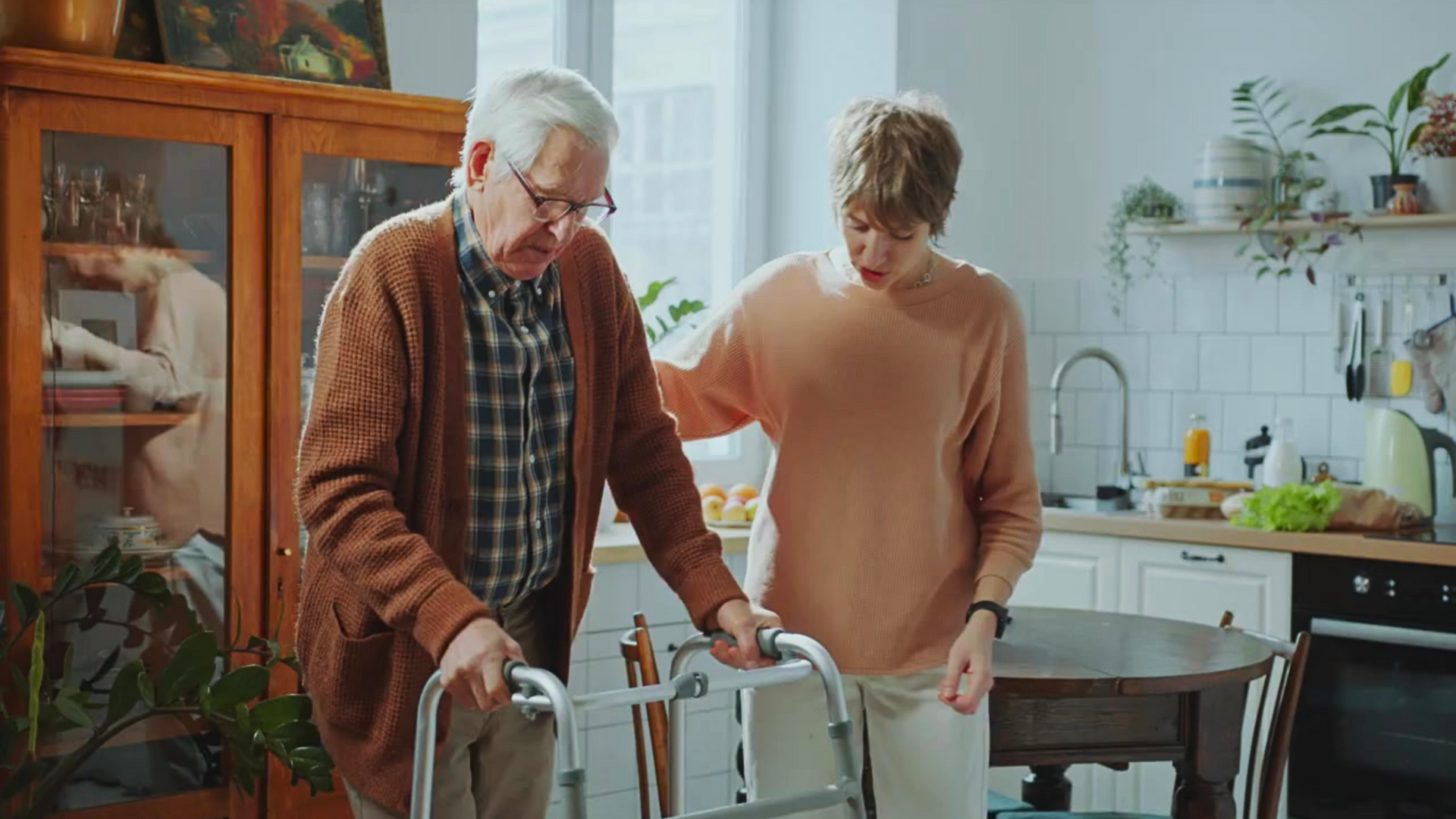
- How does a person with dementia see the world?
- We care how we see
- Everything by its name
- Dementia
- What is communication?
- Communication with people with dementia
- What are people with dementia trying to tell us?
- Presence: an approach to care
- Discovering validation
- Basal stimulation
- Emotional impact of the diagnosis
- Preparing for the future
- Meaningful activities
- Preferences that involve risks
- Facilitating environments
- What is caregiving?
- Emotional aspects of caregiving
- Who cares for the caregiver?
- End-of-life support
- Dementia and palliative care
- The last days
What do the students think?
I have finally found a course that explains in the best way how to communicate with people with dementia. For me, it is the basis of care. Without knowing how to communicate, nothing else makes sense.
Liliana Ruiz Gonzalez
Those of us who work in elder care have an obligation to ensure that the person continues to be recognized, to work to maintain their abilities and not focus on their deficits, to help them maintain their autonomy and respect for their right to continue making decisions.
Josefa Martinez
Stereotypes lead us to make mistakes in caring for older people and detract from the value of looking at each person as an individual.
Liliana Ruiz
FAQ-FREQUENTLY ASKED QUESTIONS
Who is the course aimed at?
What formats is it available in?
How long does it last?
When and at what times can it be taken?
How do I register?
Is it eligible for Fundae funding?
Are there any requirements to take the course?
Will I receive a diploma at the end of the course?